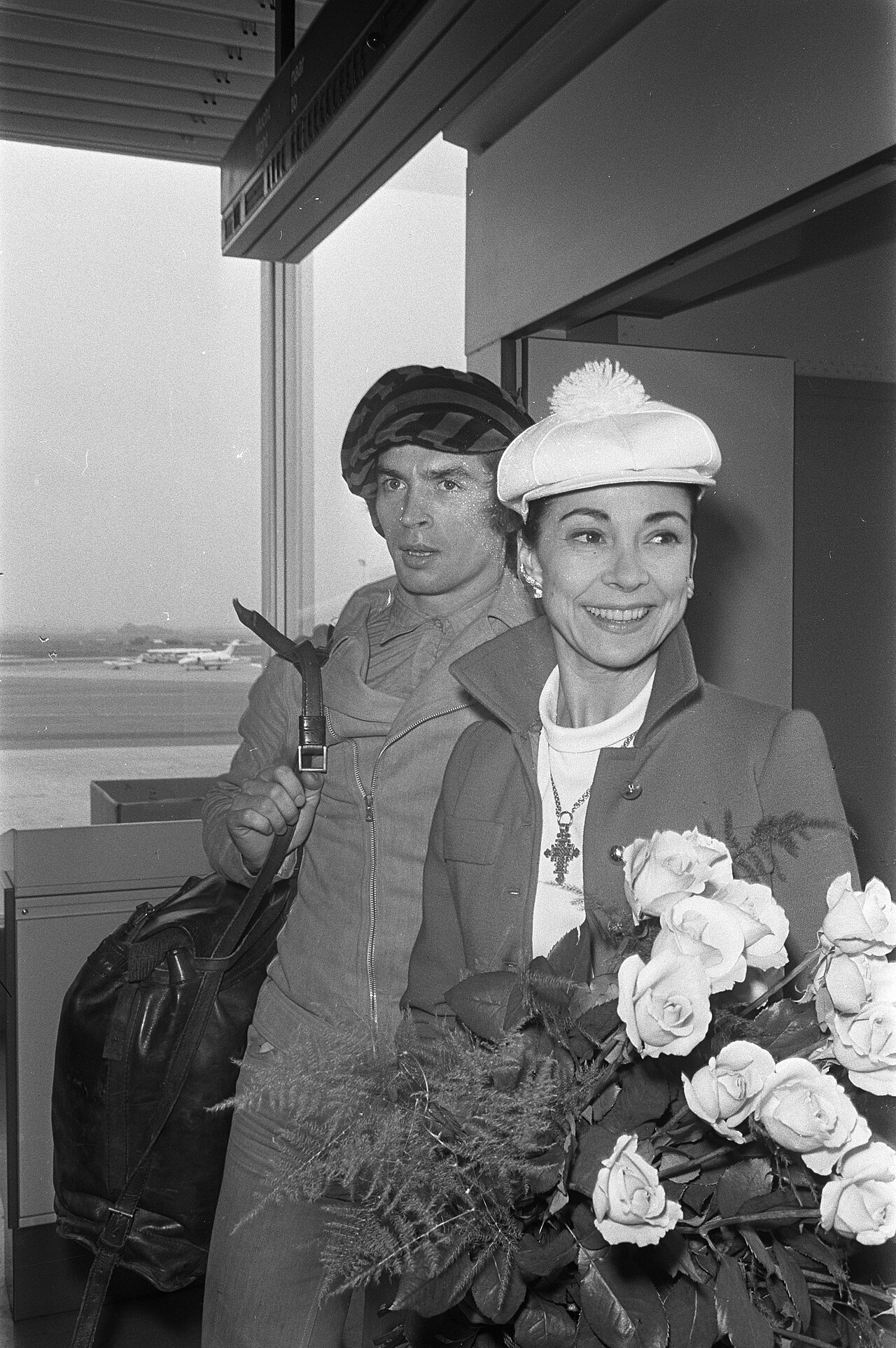
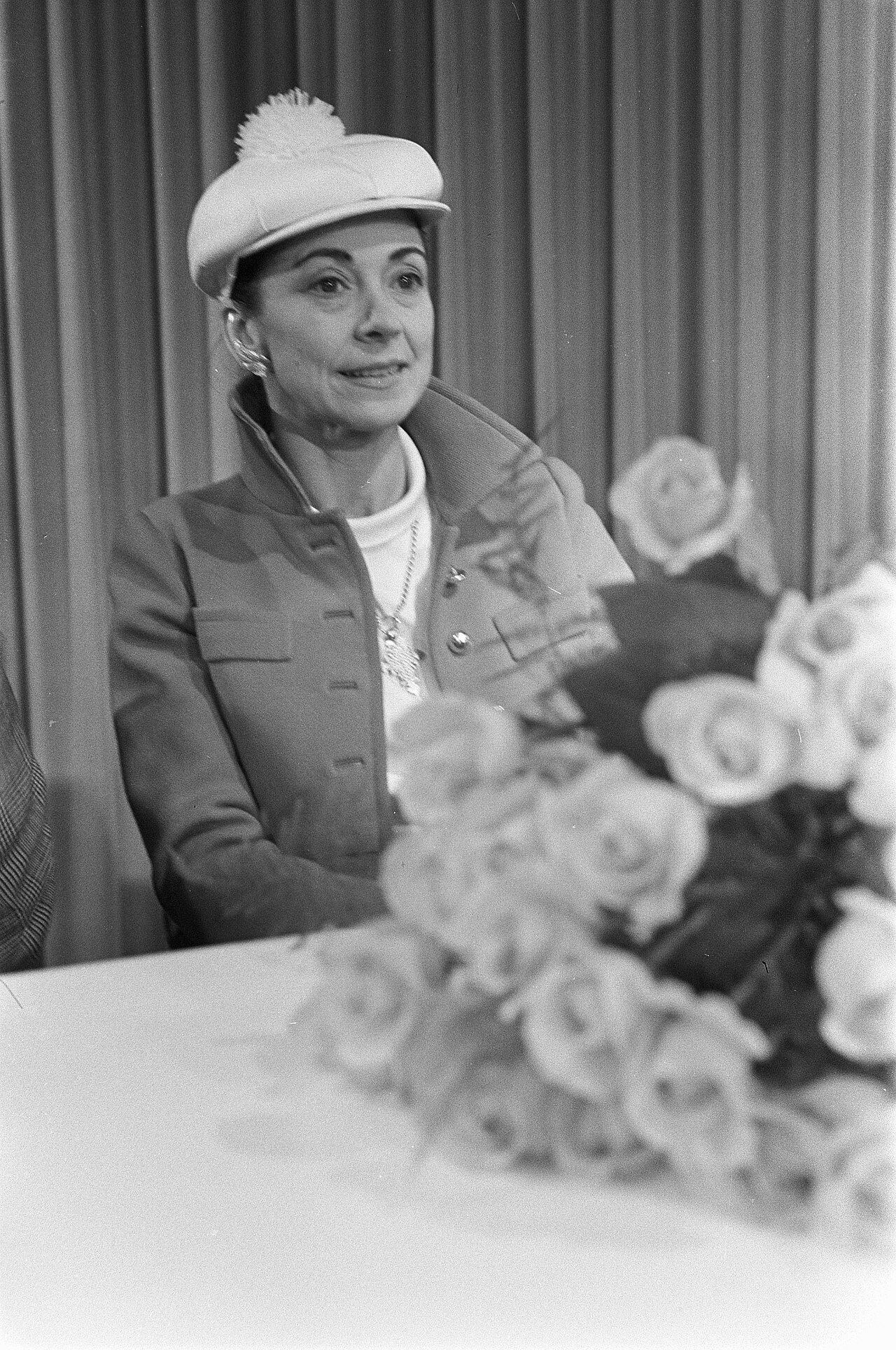
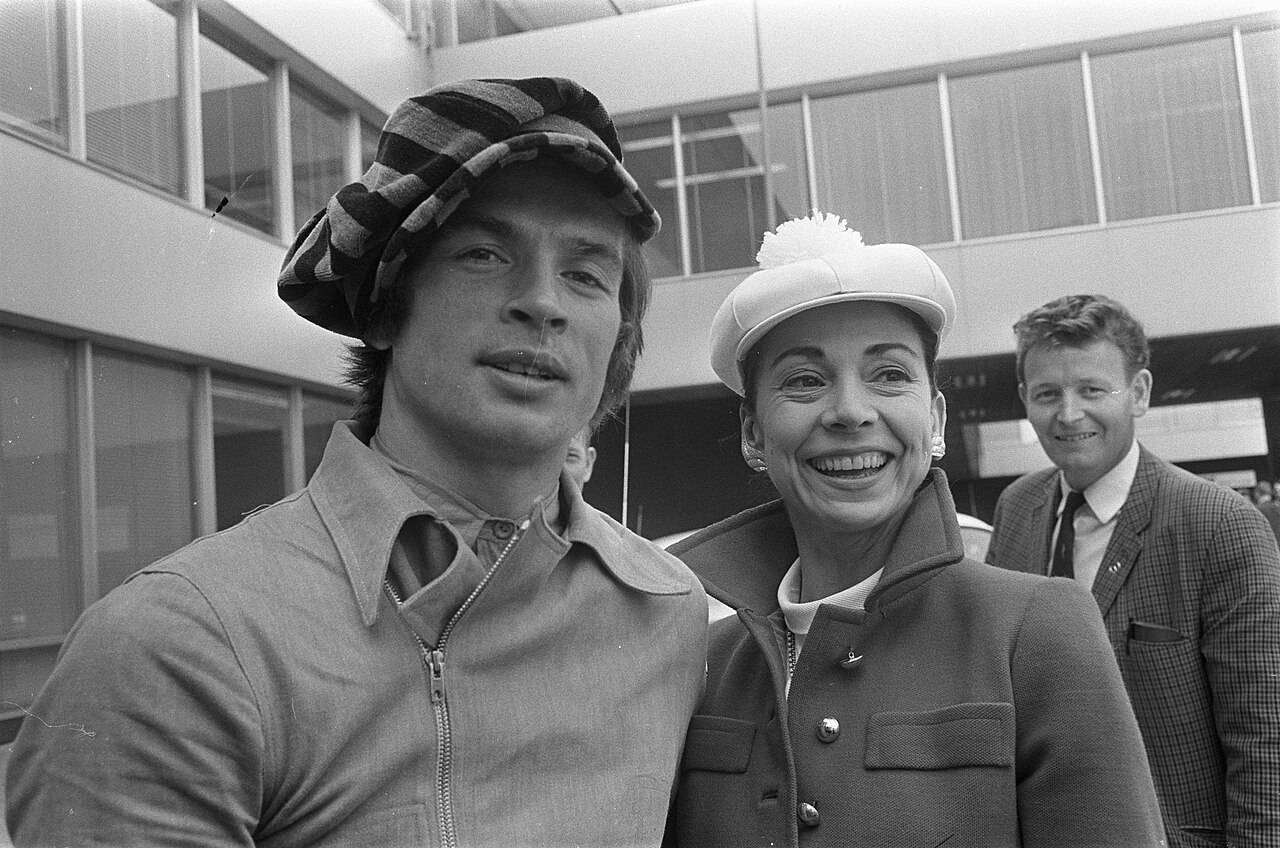
Margot Fonteyn
English ballerina appointed prima ballerina assoluta by Queen Elizabeth II.

Eric Koch for Anefo · CC0
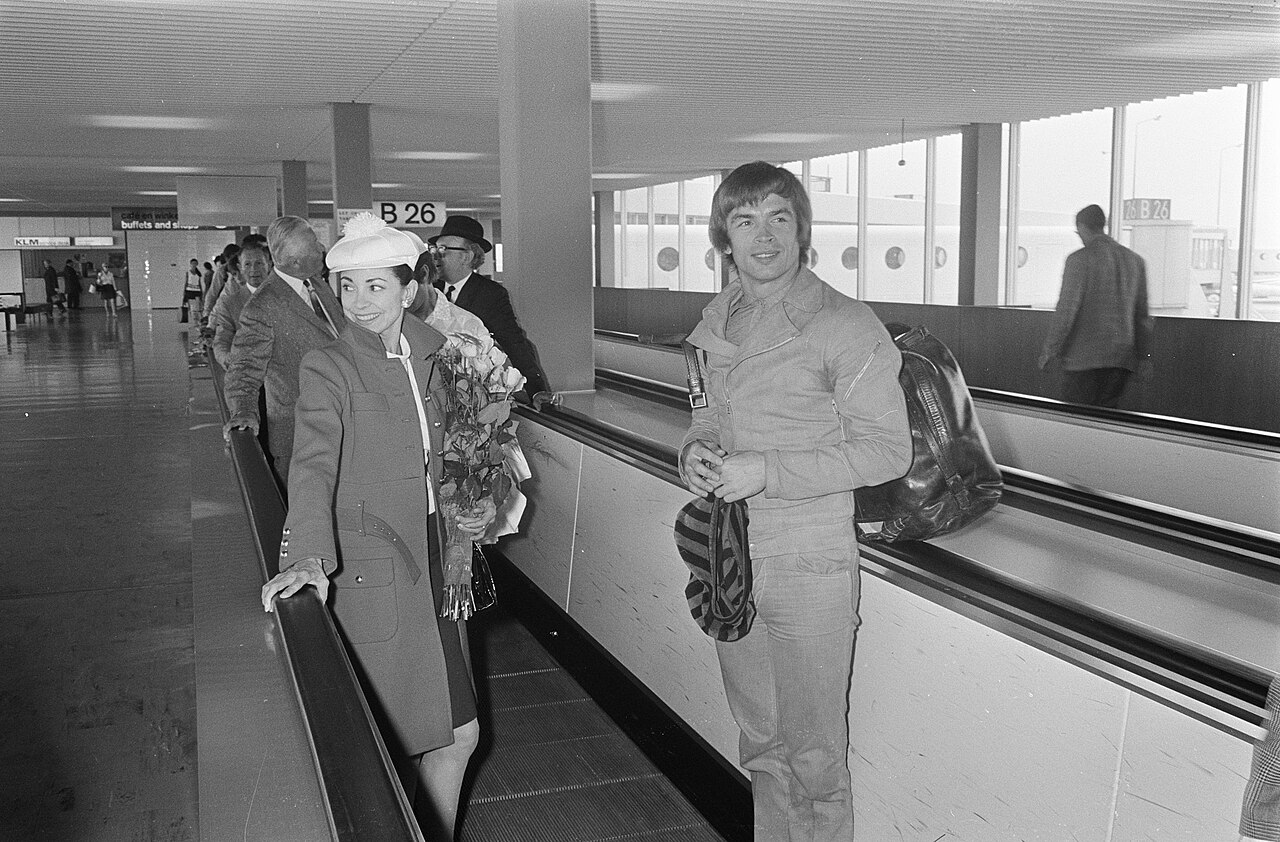
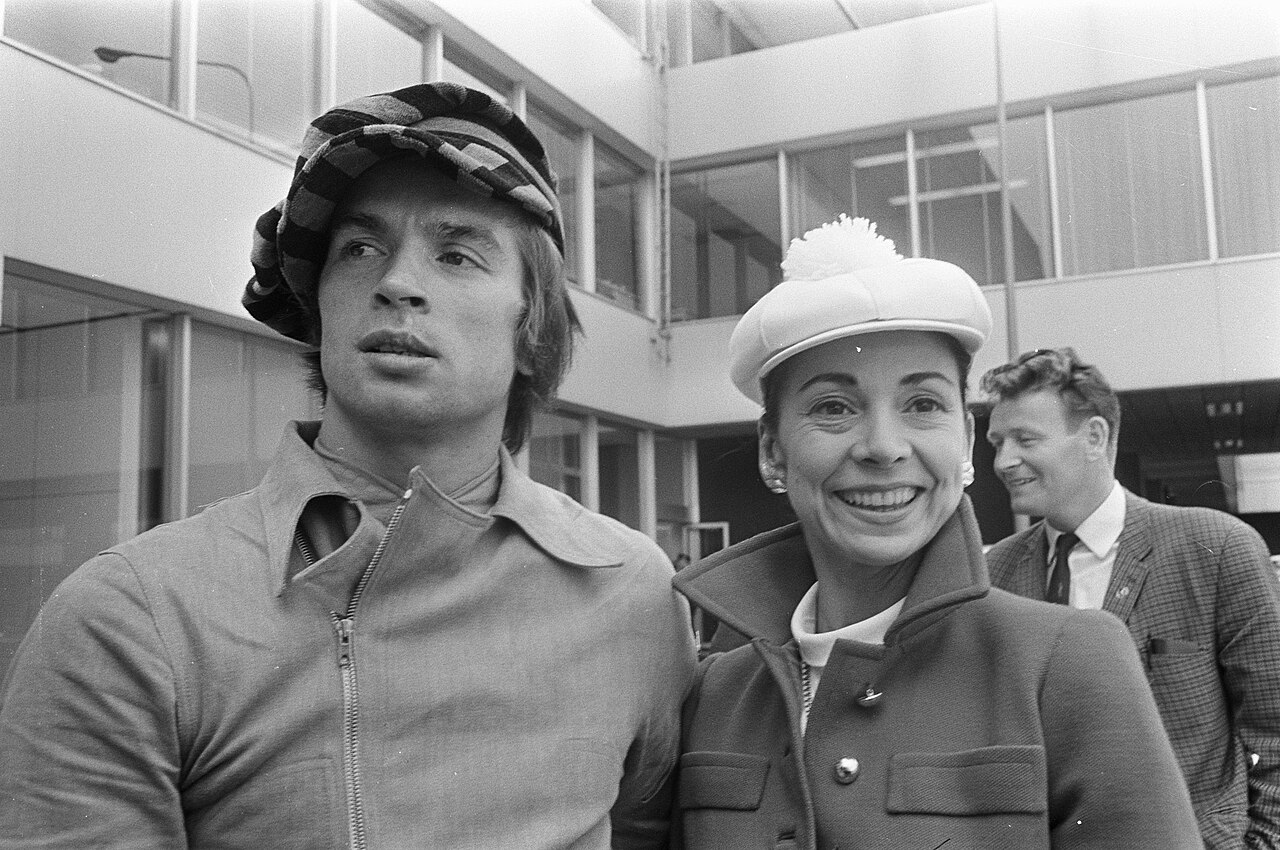
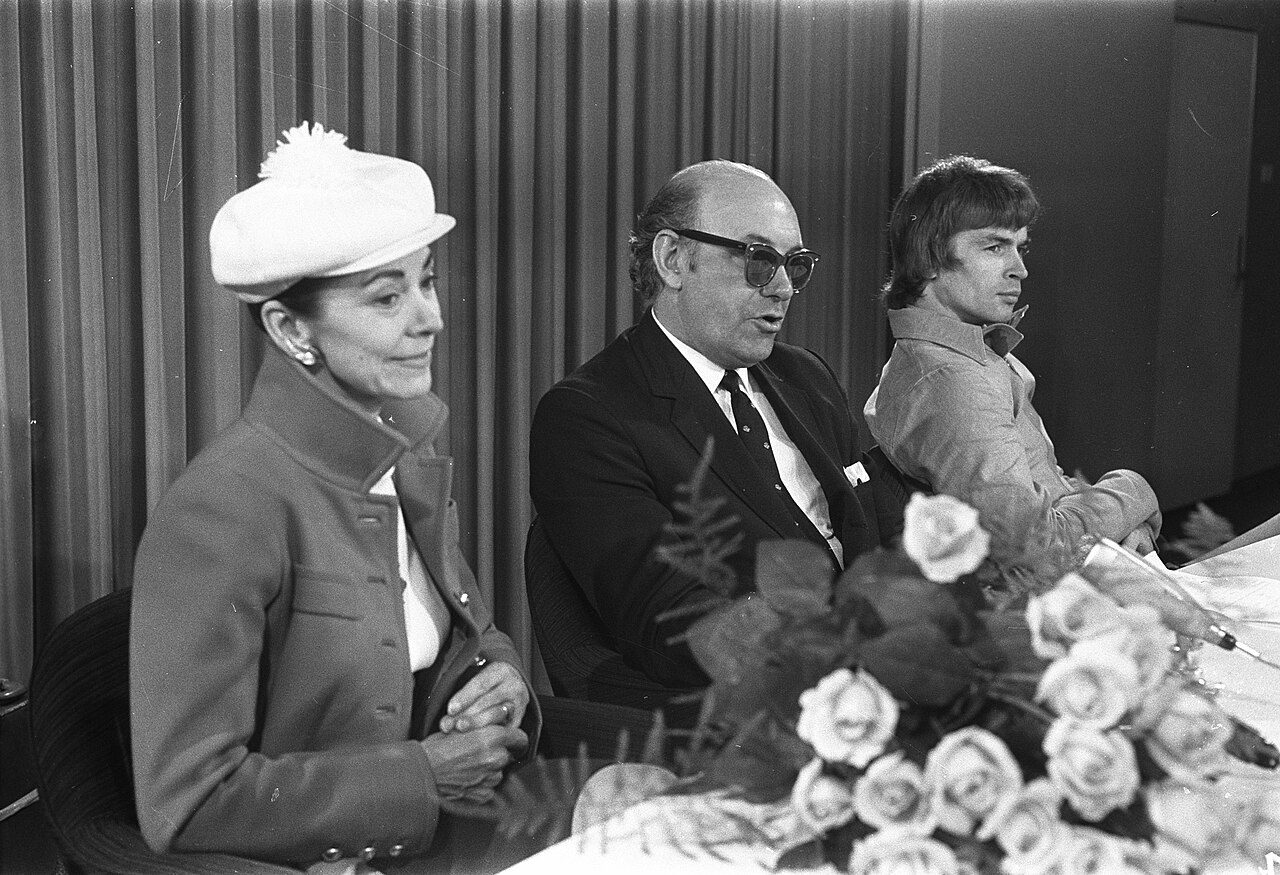
Margot Fonteyn was an English ballerina who spent her entire professional career with the Sadler's Wells Ballet Company, later The Royal Ballet. She was appointed prima ballerina assoluta of the company by Queen Elizabeth II in 1979. Exclusively trained at The Royal Ballet School, she danced her entire professional career with The Royal Ballet.
- field
- Ballet
- nationality
- English
- known_for
- Prima ballerina assoluta of the Royal Ballet
Verified Timeline
Lore & Background
Margot Fonteyn was trained at The Royal Ballet School and danced her entire professional career with The Royal Ballet. She was appointed prima ballerina assoluta of the company by Queen Elizabeth II in 1979. The Royal Ballet School is unique in having trained four dancers recognized as prima ballerina assoluta, and Fonteyn is one of them.
Reader's Guide
Margot Fonteyn's significance lies in being one of only a small number of dancers in history to have been recognized as prima ballerina assoluta, the ultimate honorary title for a ballerina. She was exclusively trained at The Royal Ballet School and danced her entire professional career with The Royal Ballet. Queen Elizabeth II appointed her prima ballerina assoluta of the company in 1979.
Did You Know?
- Margot Fonteyn was appointed prima ballerina assoluta of The Royal Ballet by Queen Elizabeth II in 1979.
- She was exclusively trained at The Royal Ballet School and danced her entire professional career with The Royal Ballet.
- The Royal Ballet School has trained four dancers recognized as prima ballerina assoluta, and Fonteyn is one of them.
- Fonteyn was one of only a small number of dancers in history to have been recognized as prima ballerina assoluta.
A Name Among Legends
The Royal Ballet School's roster of alumni reads like a who's who of the dance world, and Dame Margot Fonteyn occupies a position of particular distinction: she is the first name cited among dancers and choreographers of international renown who passed through its doors. She stands in the same breath as Dame Beryl Grey, Sir Kenneth MacMillan, Dame Darcey Bussell, Alessandra Ferri, Viviana Durante, and Sergei Polunin, as well as the current director of The Royal Ballet, Kevin O'Hare. This list spans generations and disciplines—classical ballet, choreography, and the broader performing arts—yet Fonteyn's placement at the head of the enumeration suggests a foundational stature. The school, which has trained dancers for the Royal Ballet at the Royal Opera House and the Birmingham Royal Ballet, clearly regards her as a benchmark against which later talent is measured. Her name anchors a lineage stretching from the 1920s to the present day, linking the institution's earliest ambitions to its modern output.
The Crucible of Talent
The institution that shaped Fonteyn operated on a radical principle: entry was determined solely by dancing talent and potential, with no regard for academic ability or personal circumstances. This philosophy, embedded in the school's founding mission to train outstanding classical ballet dancers, meant that a child's path into professional ballet hinged on what their body could achieve rather than on family wealth or school grades. The fact that ninety percent of current students depend on financial support to attend underscores how accessible this path was intended to be. Fonteyn's journey through this system—first through the younger residential years, then into the more advanced full-time studies—reflects a pipeline designed to identify raw ability and refine it through rigorous training. The school's commitment to pure talent as the sole criterion of entry created an environment where a dancer of her caliber could emerge and be honed without the barriers that might otherwise have stood in the way.
The Weight of a Title
The honorific 'Dame' that precedes Margot Fonteyn's name is not merely ceremonial; it signals a level of recognition that places her among the most celebrated figures in the history of classical dance. The Royal Ballet School, which lists her among its alumni of international renown, frames her achievement as the culmination of a training system dedicated to producing dancers of the highest order. Her distinction is not isolated—she shares this tier with other Dames and Sirs who emerged from the same institution—but her position as the first name in that list carries a particular weight. It suggests that her international reputation transcended the boundaries of a single company or country, reaching a global audience in a way that defined what a classical ballerina could be. The school's own history, from Ninette de Valois's 1926 founding of the Academy of Choreographic Art through its evolution into the institution we know today, provides the institutional context for how a young dancer with pure talent could rise to a level of fame warranting the highest honors of the British peerage.
Institutional Roots
To understand Fonteyn's achievement, one must understand the institution that produced her. Founded in 1926 by the Anglo-Irish ballerina and choreographer Ninette de Valois as the Academy of Choreographic Art, the school began as a dance school for girls with the broader intention of forming a repertory ballet company. Through a collaboration with theatre owner Lilian Baylis, it evolved into the Sadler's Wells Ballet School, then migrated to Barons Court, and eventually split into two sites: White Lodge in Richmond Park for students aged eleven to sixteen, and a purpose-built complex on Floral Street in Covent Garden for those aged sixteen to nineteen. A Royal Charter in 1956 formally linked the school to the ballet company. Fonteyn's training would have taken place within this evolving framework—a system combining vocational ballet with academic education, admitting students by audition alone, and ultimately producing a roster of international stars. Her name is inseparable from the institution's identity and its enduring claim to excellence.
Gallery
More in Ballet & Dance Masters 1-20
Spotted an error? Know more?
This is a living reference — every entry is fact-audited, and reader corrections feed straight into our audit queue. Suggest an edit · See this site's audit record