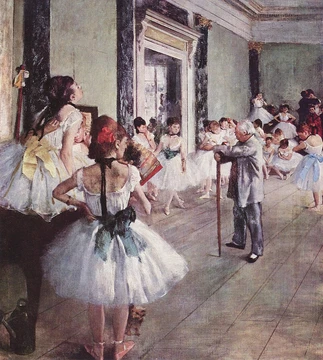
Alicia Alonso
Cuban prima ballerina assoluta who founded the Ballet Nacional de Cuba in 1948 and led it until her death in 2019.

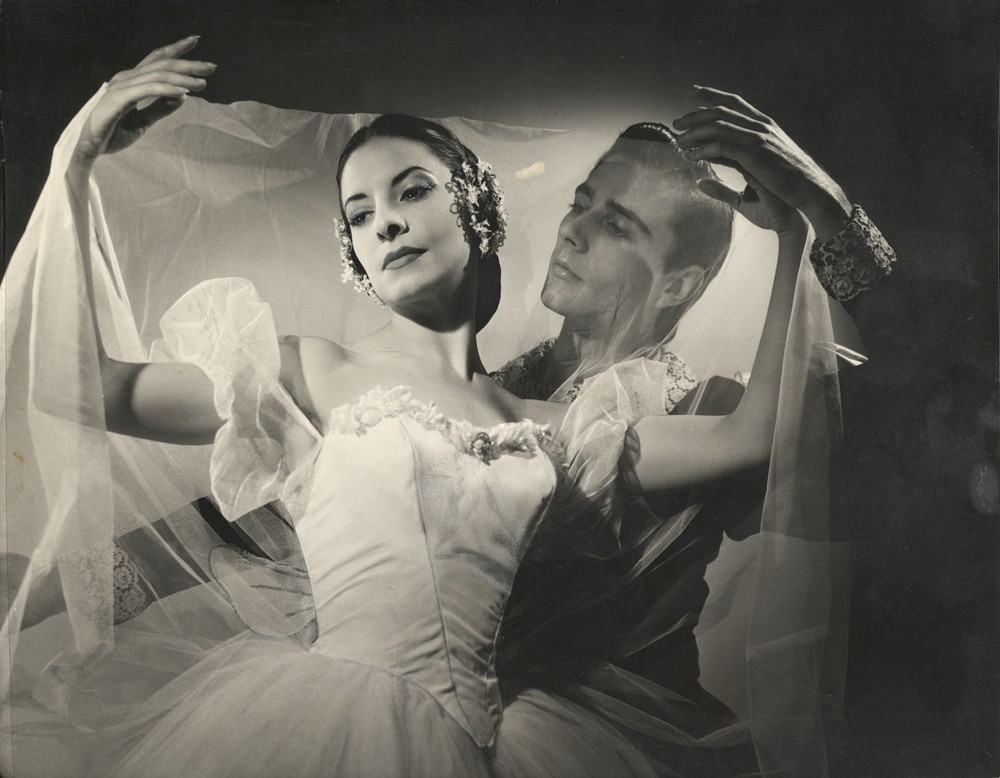
Annemarie Heinrich · Public domain
Alicia Alonso was a Cuban prima ballerina assoluta who founded the Cuban National Ballet (Ballet Nacional de Cuba) in 1948. Alonso founded the company as Ballet Alicia Alonso on October 28, 1948, together with her husband Fernando and Fernando's brother Alberto. The company was reorganized and took the name National Ballet of Cuba in 1959, after Fidel Castro took control of Cuba. Alonso remained at the helm of the Ballet Nacional for decades, even after giving her last performance in 1993 at age 72. She named Viengsay Valdés as deputy artistic director in January 2019 and died that October at age 98.
- died
- 17 October 2019
- field
- Ballet
- nationality
- Cuban
- known_for
- founding the Ballet Nacional de Cuba
Verified Timeline
Lore & Background
Alicia Alonso founded the company that became the Cuban National Ballet on October 28, 1948, as Ballet Alicia Alonso, together with her husband Fernando and Fernando's brother Alberto. Two years later, in 1950, the Alicia Alonso Academy of Ballet school was established to promote the talents of young Cuban dancers. Both schools were annexed to the professional ballet company by 1956. Before the Cuban Revolution, the ballet thrived artistically but struggled financially, as the Cuban government declined to fund it. When Fidel Castro took control in 1959, he committed to making the arts available to everyone. Former BNC ballerina Margarita de Saá recalled: 'The old government was out and the new hope was coming for the arts and the ballet in Cuba.' With state funding, the company was reorganized that year and took the name National Ballet of Cuba. Alonso and Fernando Alonso created a uniquely Cuban style of dance through the Ballet Nacional and its network of schools. Though elderly and nearly blind, Alonso remained at the helm of the Ballet Nacional, despite repeated requests for new leadership. She gave her last performance in 1993 at the age of 72. In January 2019, Alonso named dancer Viengsay Valdés as deputy artistic director, though Alonso remained general director until her death that October.
Reader's Guide
Alicia Alonso's significance comes from founding and leading the Cuban National Ballet for over seven decades. She established the company on October 28, 1948, as Ballet Alicia Alonso. After the 1959 revolution, Fidel Castro provided state funding that allowed the company to grow. The company's official school is the Cuban National Ballet School. Alonso's choreographic versions of classics like Giselle, Swan Lake, and Coppélia became known internationally through performances at major theatres including the Ballet of the Paris Opera, the Vienna State Opera, and the San Carlos of Naples. On the company's 50th anniversary, Fidel Castro awarded Alonso and the ballet its highest civil decoration, the Lazaro Pena Order. Alonso was the first Cuban to win the Dance Magazine award for contributions to ballet in 1958. The company created more than 600 works and performed in more than 60 countries worldwide. After Alonso's death in October 2019, Viengsay Valdés became the artistic director.
Did You Know?
- Alicia Alonso founded the Cuban National Ballet on October 28, 1948, as Ballet Alicia Alonso.
- She gave her last performance in 1993 at the age of 72.
- On the company's 50th anniversary, Fidel Castro awarded Alonso the Lazaro Pena Order, Cuba's highest civil decoration.
- Alonso was the first Cuban to win the Dance Magazine award for contributions to ballet in 1958.
- The company she founded created more than 600 works and performed in more than 60 countries.
Founding a National Institution
Alicia Alonso, already celebrated as a prima ballerina assoluta, co-founded what would become Cuba's most prestigious ballet company on October 28, 1948. Together with her husband Fernando Alonso and his brother Alberto, she launched the troupe under the name Ballet Alicia Alonso at the Great Theatre of Havana. Just two years later, in 1950, she established the Alicia Alonso Academy of Ballet, a dedicated school aimed at nurturing the next generation of Cuban dancers. By 1956, both the school and the professional company had been formally merged into a single institution. Alonso's vision was not merely to create a performing group but to build an entire ecosystem of training and artistic production rooted in Cuban soil. Her dual role as performer and institution-builder set the foundation for everything that followed, embedding her personal artistic identity into the very structure of Cuban classical dance.
Revolution and State Patronage
Before 1959, the Cuban ballet existed in a paradox: artistically vibrant yet chronically underfunded, with the old government refusing to provide financial support. The revolution changed everything. When Fidel Castro assumed power, his commitment to making the arts accessible to all citizens opened a new chapter for the company. That same year, as part of a sweeping cultural program, the troupe was reorganized and renamed the National Ballet of Cuba. State funding transformed the operation dramatically. The Alonsos seized the opportunity to expand their school, and the government began financing a country-wide talent search. Trainers now traveled to more than fourteen provinces, selecting children based on musicality, body proportions, and the ability to follow simple steps. The resulting National School of Ballet, directed by Ramona de Saá, offered eight years of completely free training to every student. This state-backed infrastructure elevated Cuban ballet to a level that rivaled and at times surpassed major European national companies.
Artistic Achievements and the Global Stage
The company Alonso built has amassed a repertoire of more than six hundred works and has performed in over sixty countries across Europe, Asia, and the Americas. Its choreographic interpretations of classical staples—Giselle, Swan Lake, Coppélia, The Sleeping Beauty, and La Fille Mal Gardée—have been staged at some of the world's most storied opera houses, including the Paris Opera, the Vienna State Opera, the San Carlos in Naples, the Opera in Prague, and the Teatro alla Scala in Milan. Beyond the classics, the company has embraced the renovating spirit of Diaghilev's Ballets Russes, programming works like Petrushka and Afternoon of a Faun alongside pieces by Cuban national choreographers. The international recognition has been substantial: the Grand Prix of the Ville de Paris, Cuba's Order Félix Varela, and numerous individual prizes at competitions and festivals. On the company's fiftieth anniversary, Fidel Castro bestowed upon it and Alonso personally the Lázaro Peña Order, Cuba's highest civil decoration, a testament to the institution's enduring significance.
The Training Pipeline and Dancer Exodus
Following the classical Soviet model, the National Ballet School produces roughly forty professional dancers each year through an eight-year program in which every cost is covered by the state. The daily regimen is grueling: students dance from seven in the morning until one-thirty in the afternoon, then move into character dances, French language, piano, music reading, folklore, African dances, historical dances, and salon dances—a curriculum alumna Lorena Feijoo described as a thoroughly comprehensive dance education. Boys have been actively encouraged to audition alongside girls, and over time parents have come to see the financially rewarding future that awaits skilled dancers. Yet the monthly salary of approximately thirty dollars for a graduate has long served as a powerful incentive for talented performers to seek positions abroad. Today, former students hold principal roles in American and British companies, including Lorna Feijoo and Nelson Madrigal at the Boston Ballet, Lorna's sister at the San Francisco Ballet, and Jorge Esquivel as a ballet master there. In 2004, José Manuel Carreño became the first Cuban since Alonso herself in 1958 to receive the Dance Magazine award for contributions to ballet.
Gallery
More in Ballet & Dance Masters 1-20
Spotted an error? Know more?
This is a living reference — every entry is fact-audited, and reader corrections feed straight into our audit queue. Suggest an edit · See this site's audit record