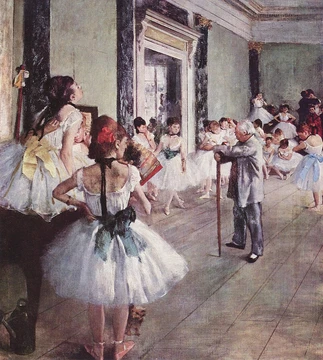
August Bournonville
Danish ballet master who created the Bournonville School.

via Wikipedia: August Bournonville · see source
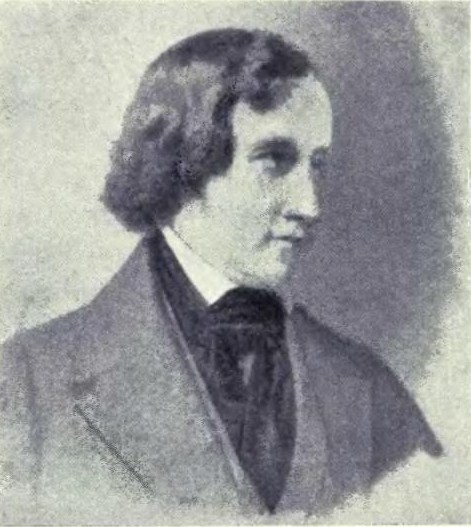
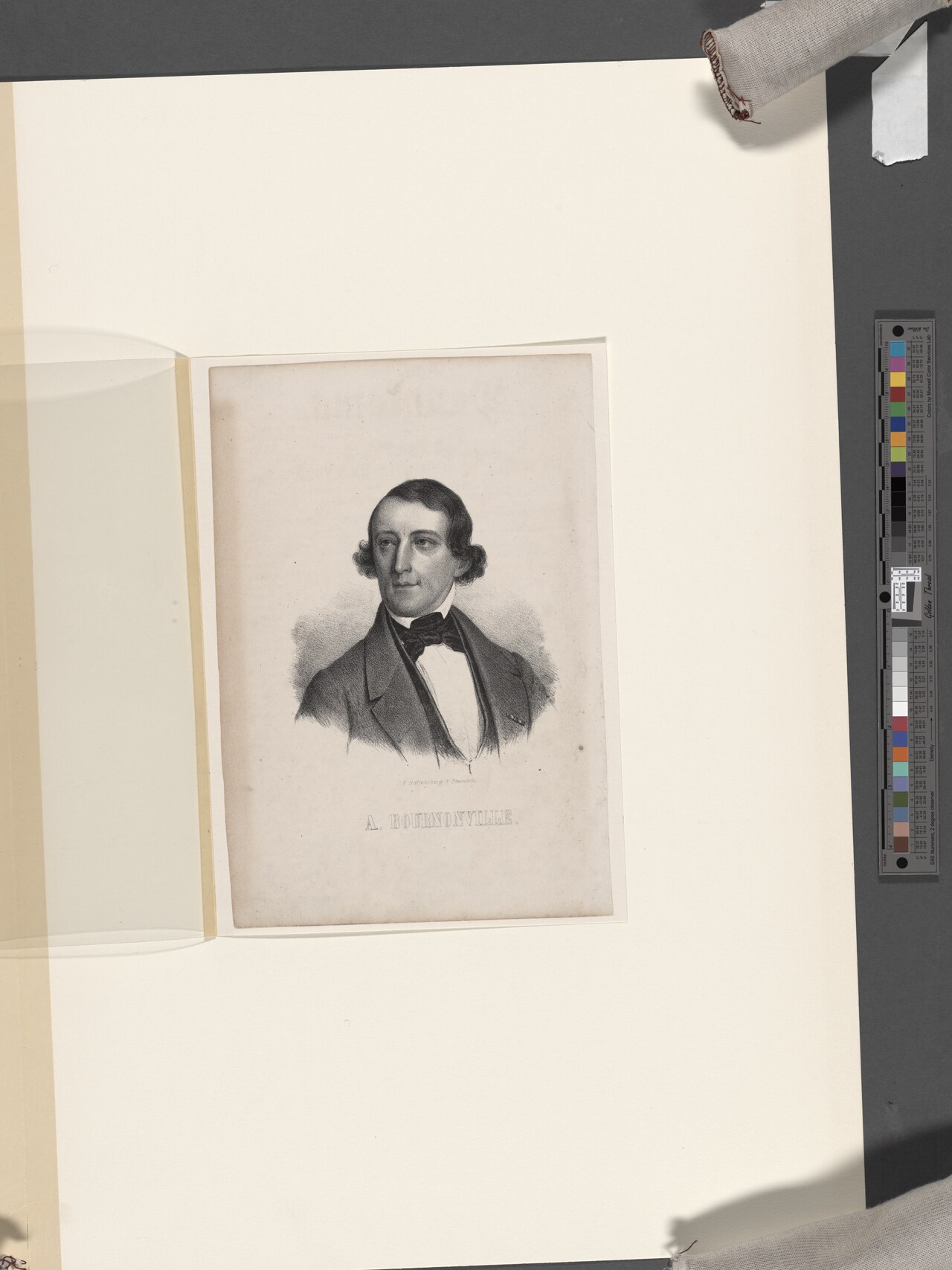
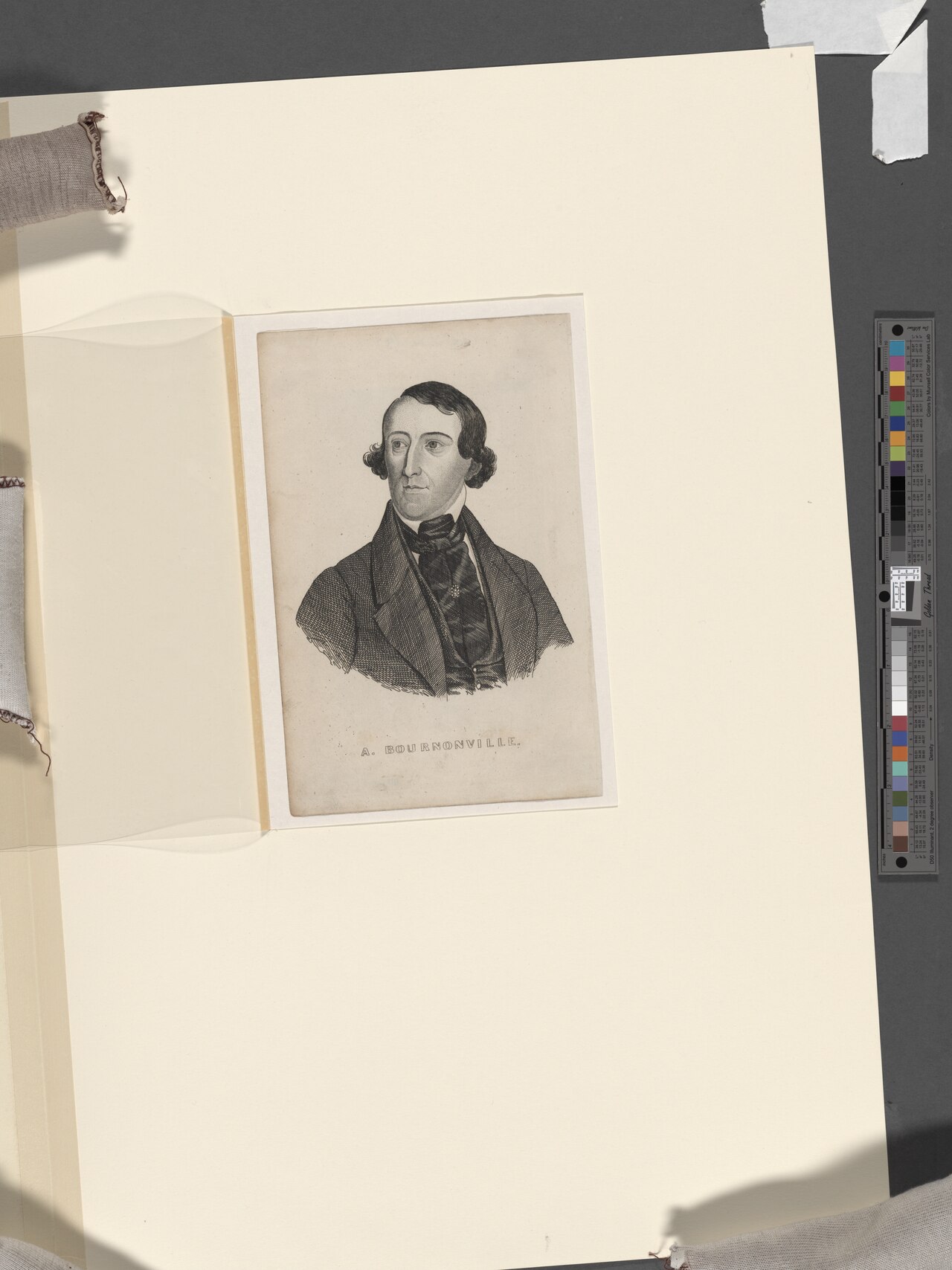
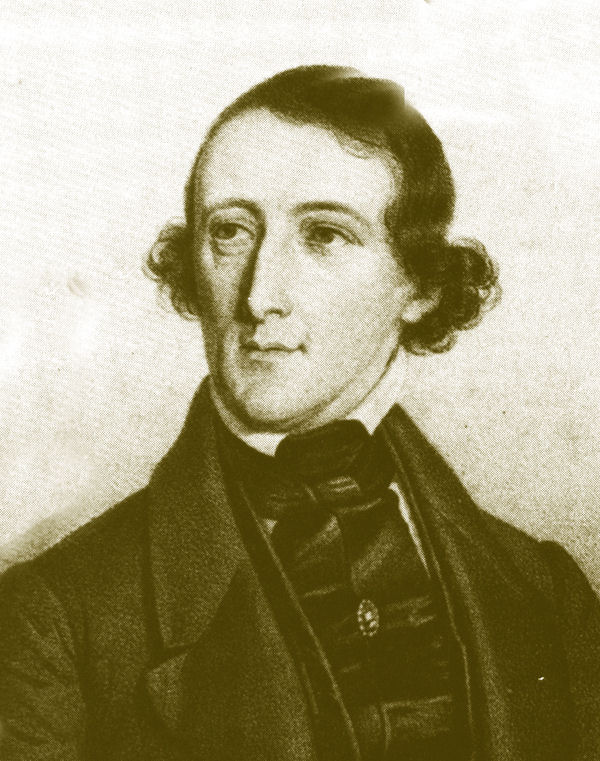
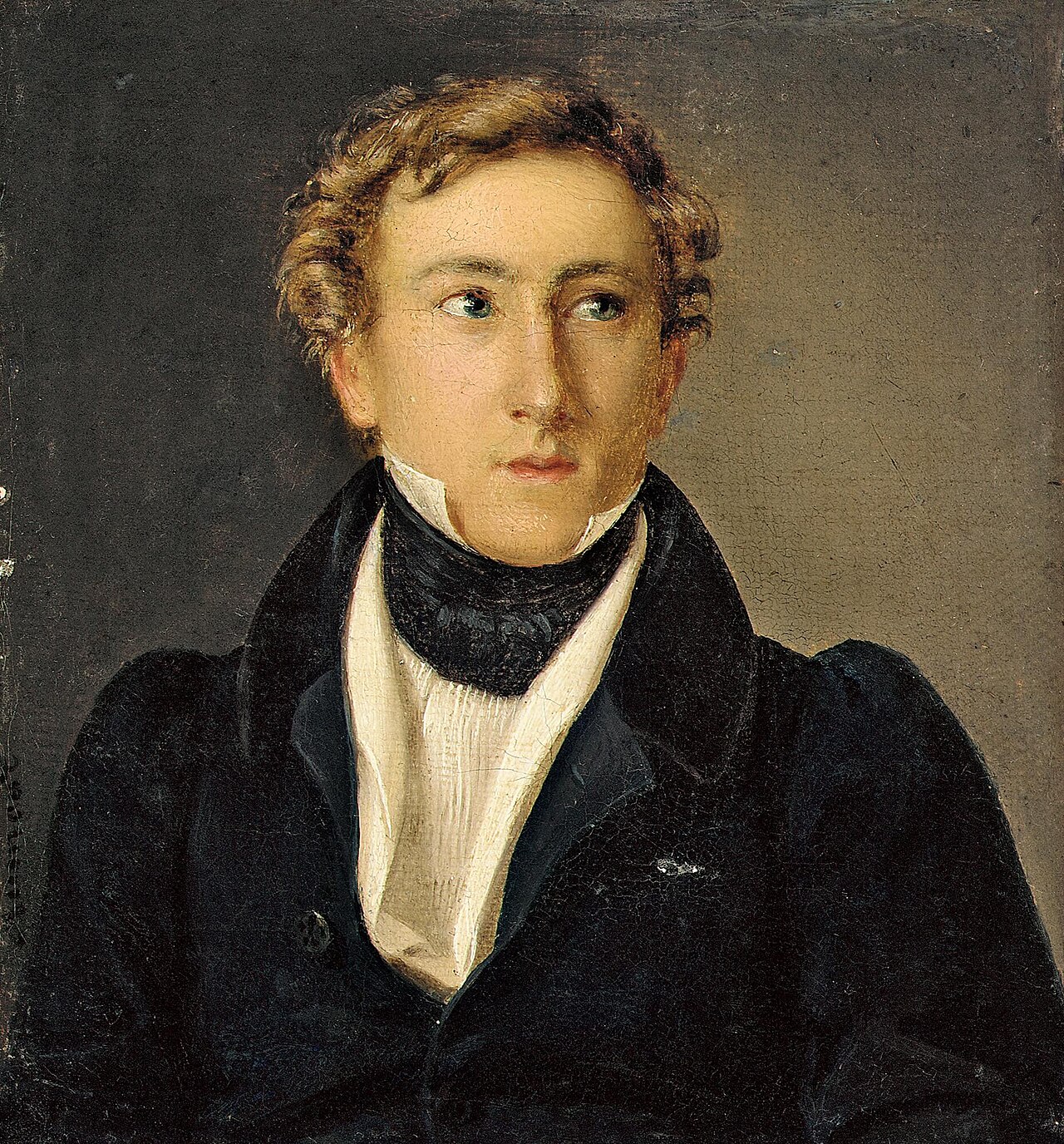
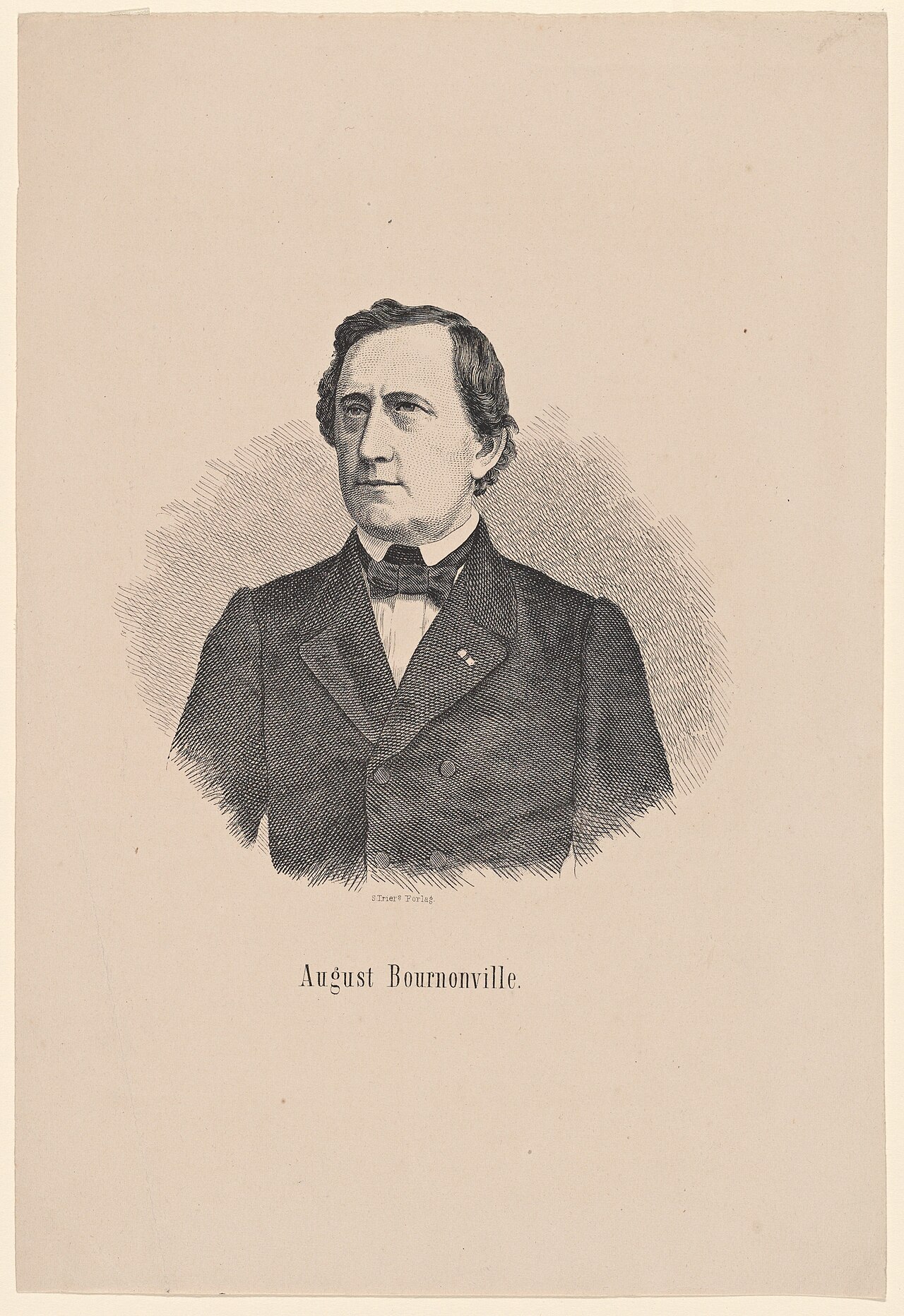
August Bournonville (21 August 1805 – 30 November 1879) was a Danish ballet master and choreographer. He was the son of Antoine Bournonville, a dancer and choreographer trained under Jean Georges Noverre, and the nephew of Julie Alix de la Fay, née Bournonville, of the Royal Swedish Ballet. Born in Copenhagen, he trained with his father and under Vincenzo Galeotti at the Royal Danish Ballet, and in Paris under Auguste Vestris. He initiated a unique style known as the Bournonville School. From 1830 to 1848 he was choreographer for the Royal Danish Ballet, creating more than 50 ballets admired for their exuberance, lightness and beauty. His work became known outside Denmark only after World War II.
- born
- 21 August 1805
- died
- 30 November 1879
- field
- Ballet master and choreographer
- nationality
- Danish
- known_for
- Bournonville School; ballets including La Sylphide, Napoli, Le Conservatoire
Verified Timeline
Lore & Background
August Bournonville was born in Copenhagen on 21 August 1805, the son of French ballet master Antoine Bournonville, who had settled in Denmark, and Lovisa Sundberg, a Swede. At age eight, he entered the Royal Ballet School at the Court Theatre in Christiansborg Palace, training under his father and Vincenzo Galeotti. On 2 October 1813, he made his first stage appearance in a small part as the son of a Viking king in Galeotti's Lagertha. Less than a year later, he received his first personal applause for dancing a Hungarian solo. In addition to dance, he learned French at home, played the violin, sang as a boy soprano, and studied declamation. On the Queen's birthday, 29 October 1817, as a twelve-year-old he played Adonia in Solomon's Judgment and sang a romance, 'The Mother with Her Drooping Wings'. In 1820, he accompanied his father to Paris, where he was exposed to the latest trends and watched teachers Gardel and Vestris. He returned to Paris in spring 1824 for final studies, stretching his stay to five years. There he trained under Auguste Vestris, who accepted him and taught him balance, pirouettes, and arms. Bournonville wrote his father: 'I am extremely satisfied with my Mr. Vestris... he is very exact about the lessons and comes to class three times a week at eight in the morning and three times a week at nine and remains until eleven. I get up every morning at six and always arrive one half hour before the lesson.' He danced from 1820 to 1828 with Marie Taglioni and the Paris Opera Ballet. He married Helena Fredrika Håkansson on 23 June 1830. They had seven children, including Charlotte who became an opera singer and actress; both sons died as toddlers. He stopped teaching adult classes in spring 1877. On returning from church on 30 November 1879, he was stricken and taken to a hospital. He was interred in Asminderød Churchyard near Fredensborg.
Reader's Guide
August Bournonville's significance lies in his creation of the Bournonville School, a distinct ballet style characterized by exuberance, lightness, and beauty. As choreographer for the Royal Danish Ballet from 1830 to 1848, he produced more than 50 ballets with varied settings from Denmark to Italy, Russia to South America. His best-known works include La Sylphide (1836), Napoli (1842), Le Conservatoire (1849), The Kermesse in Bruges (1851), and A Folk Tale (1854). Later major ballets include Valkyrien, Thrymskviden, Arcona and Fjedstuen. Bournonville resisted many excesses of romantic era ballets, and his egalitarian choreography gave equal emphasis to both male and female roles at a time when European ballet emphasized the ballerina. His work remains an important link with earlier traditions, portraying a balanced human nature through enthusiastic footwork and fluid phrases. Only a limited number of his ballets have survived. Since 1950, The Royal Ballet has several times made prolonged tours abroad, not the least to the United States, where they have performed his ballets.
Did You Know?
- Bournonville made his first stage appearance on 2 October 1813 in Galeotti's Lagertha, the first ballet on a Nordic theme.
- At age twelve, on the Queen's birthday, 29 October 1817, he played Adonia in Solomon's Judgment and sang a romance, 'The Mother with Her Drooping Wings'.
- He trained under Auguste Vestris in Paris, focusing on balance, pirouettes, and arms, and wrote to his father that he got up every morning at six to prepare for lessons.
- Bournonville danced from 1820 to 1828 with the noted dancer Marie Taglioni and the Paris Opera Ballet.
- He stopped teaching adult classes in spring 1877 and died on 30 November 1879 after being stricken on returning from church.
A Childhood Steeped in Dance and Art
Born in Copenhagen in 1805 to the French ballet master Antoine Bournonville and the Swedish Lovisa Sundberg, August grew up in a household where dance was a family inheritance. His father had trained under Jean Georges Noverre, and his aunt Julie Alix de la Fay danced with the Royal Swedish Ballet, so the young August was immersed in the art from infancy. At eight, he entered the Royal Ballet School at Christiansborg Palace, where both his father and the veteran choreographer Vincenzo Galeotti guided his development. His first stage appearance came in 1813, a small role as the son of a Viking king in Galeotti's Lagertha, notable as the first ballet built around a Nordic theme. Within a year he earned personal applause for a Hungarian solo. Beyond the dance floor, the boy was a voracious reader, a violinist, a boy soprano, and a student of declamation under several prominent actors. His talents converged on the Queen's birthday in 1817, when the twelve-year-old performed as Adonia in a music-drama to royal acclaim. Among his five siblings, he alone showed any genuine interest in dance.
Five Years in Paris and the Forging of a Style
In 1820, Bournonville's father received a royal grant from King Frederick VI to study ballet in Paris, and the young August accompanied him. Though he trained solely with his father during that first sojourn, he absorbed the latest trends and watched the great teachers Gardel and Vestris perform. Back in Denmark he joined the Royal Theatre but found the repertory stale after his Parisian exposure. In spring 1824 he returned to Paris for what was meant to be a fifteen-month period of final studies at the Paris Opera. That stay stretched to five years, during which Danish ballet slid toward near-disastrous decline. He found a lifeline in Louis Nivelon, his father's old friend, who offered meals, friendship, and access to society. When Gardel's studio had dissolved, Bournonville was directed to Auguste Vestris to strengthen his weakest areas: balance, pirouettes, and arms. Vestris took him on with evident care. Bournonville wrote his father that he rose at six, arrived half an hour before each lesson, and that Vestris pointed out his faults rigorously yet with consideration, cultivating his talent with extreme care. He danced alongside Marie Taglioni with the Paris Opera Ballet from 1820 to 1828.
The Bournonville School and a Vision of Balance
After returning to Copenhagen, Bournonville became a solo dancer at the Royal Ballet and, from 1830 to 1848, served as its choreographer, creating more than fifty ballets celebrated for their exuberance, lightness, and beauty. His settings ranged widely, from Denmark and Italy to Russia and South America, though only a limited number of these works have survived. His best-known creations include La Sylphide (1836), Napoli (1842), Le Conservatoire (1849), The Kermesse in Bruges (1851), and A Folk Tale (1854), with later major works such as Valkyrien, Thrymskviden, Arcona, and Fjedstuen. What distinguished his choreography was a deliberate resistance to the excesses of romantic-era ballet. Where his contemporaries explored the extremes of human emotion, Bournonville used enthusiastic footwork and fluid phrasing to portray a more balanced human nature. He is particularly noted for his egalitarian approach, giving equal emphasis to male and female roles at a time when European ballet overwhelmingly privileged the ballerina. Although his style drew inspiration from Parisian ballet, it was entirely his own, and it gave rise to what is now known as the Bournonville School.
A Life Cut Short and a Legacy Reclaimed
Bournonville's personal life carried its share of sorrow. He married Helena Fredrika Håkansson in 1830, and together they had seven children, including Charlotte, who went on to become an opera singer and actress. Both of his sons died as toddlers. Professionally, he continued teaching and creating until the spring of 1877, when he stopped conducting adult classes. His final days were brief and sudden. On 30 November 1879, while returning from church, he was stricken and taken to a hospital, where he died that same day. He was interred in Asminderød Churchyard near Fredensborg. Yet his influence outlived him by a century. Bournonville's work remained largely unknown outside Denmark until after World War II. Beginning in 1950, the Royal Ballet undertook prolonged international tours, most notably to the United States, where his ballets were performed to new audiences. His choreography endures as an important link to earlier ballet traditions, and the distinctive style he initiated is still recognized as the Bournonville School.
Gallery
More in Ballet & Dance Masters 1-20
Spotted an error? Know more?
This is a living reference — every entry is fact-audited, and reader corrections feed straight into our audit queue. Suggest an edit · See this site's audit record